
About Manuela
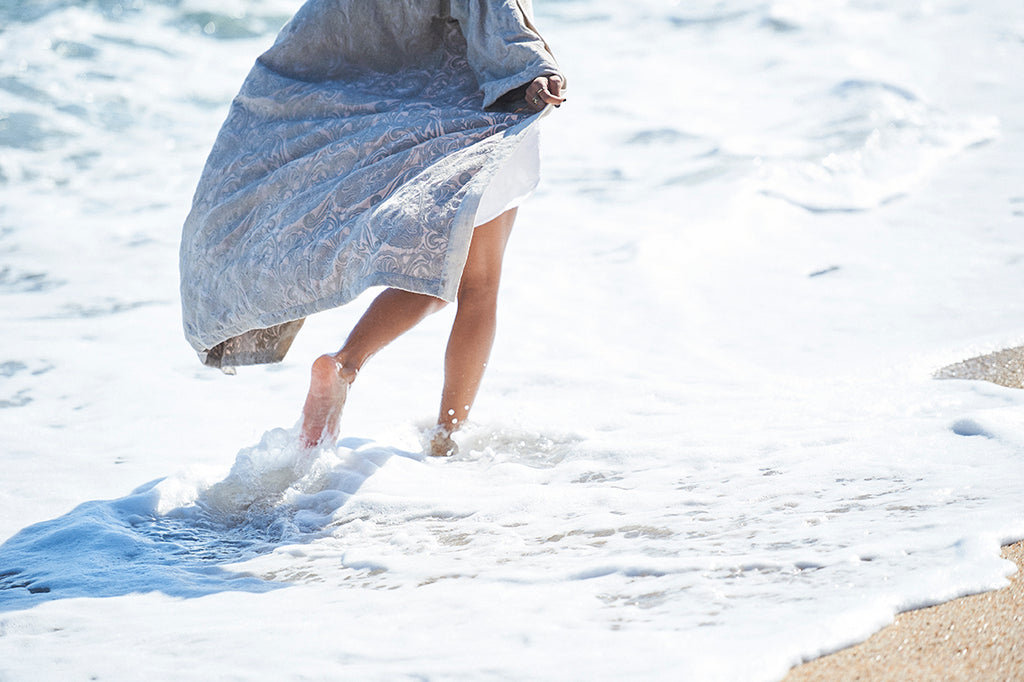
For Manuela, the world was always like an infinite library: a copious source of stories where the characters, more than words, were made of flesh and blood and where all kinds of plots and stories were at her fingertips, waiting to be lived and told. The daughter of diplomats, Manuela grew up traveling. Spain was only the imprint of her passport. Her true roots were scattered throughout the countries where she had lived. As a child, she used to fill a blackboard with pins, precisely marking each place she visited. That slate is full today. She is truly a citizen of the world.
Travels shaped her personality. Shy with her elders, little Manuela limited herself to listening to others. Stories of the world flew around her and, whenever a question arose, she would wait until she was alone with her parents to pepper them with questions and thus broaden her knowledge. He enjoyed eavesdropping on his parents in long diplomatic meetings and then surprising them with delicate questions about politics. It was these habits, coupled with constant change, that gave her an uncanny ear for accents and languages. Today Manuela is fluent in five languages.

At first he found it hard to make friends. She was saddened by the ephemeral quality of her friendships. Each new interaction at the various schools she was sent to had an expiration date for her, announced in the form of a pin placed in a new spot on the map. Everything changed with the arrival of the internet in her life. Manuela managed to appease her fear of abandonment and became a smiling and talkative girl. Her friendships became continuous over time. She always considered the care and maintenance of her friendships to be of the utmost importance. Not only did she videoconference with her friends, but she was also an assiduous letter writer. She spent two hours a day communicating by e-mail with her friends and it was this constant need to write, to maintain links and to express affection and interest in writing that led her to become a true story hunter.
Her father, "Mr. Ambassador," naturally looked out for her welfare. Is it good for a child to travel so much, she constantly wondered, is the constant geographical change and the lack of a fixed home not hurting her? Her mother feared the same thing. This fear translated into a golden rule: without exception, no matter which continent she was on, Manuela would travel every summer to Barcelona, to her grandparents' house.
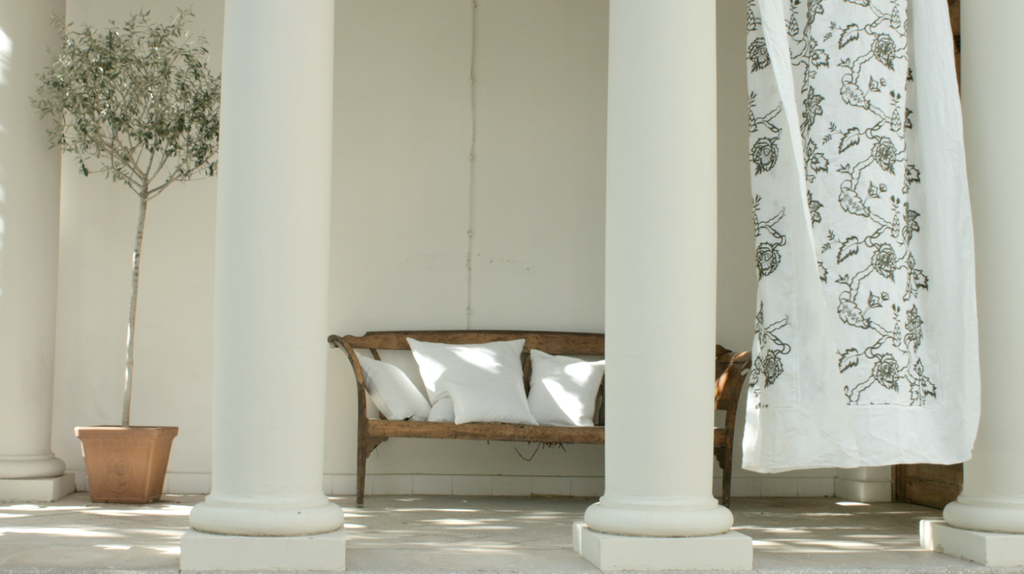
Summers in Barcelona are one of Manuela's most treasured memories. At home she had her own bedroom, which she gradually filled with books and souvenirs of her travels, which were too delicate or too uncomfortable to carry from one move to the next. In addition to her own possessions, she had her grandparents' collection of objects: they had also been great travelers. When Manuela asked her grandfather why they had so many objects, as she was accustomed to carrying only the bare necessities, he laughed. His answer fascinated Manuela. Every object in their house had a story attached to it, as if it were a book. He didn't believe in beauty for its own sake. He and his grandmother had built their home based on stories and memories of others and themselves. His shopping philosophy was that if he was going to invest money in something, it had to tell a story. If you can't charm someone in conversation with their past, it's not worth keeping. That phrase would stick in Manuela's memory.
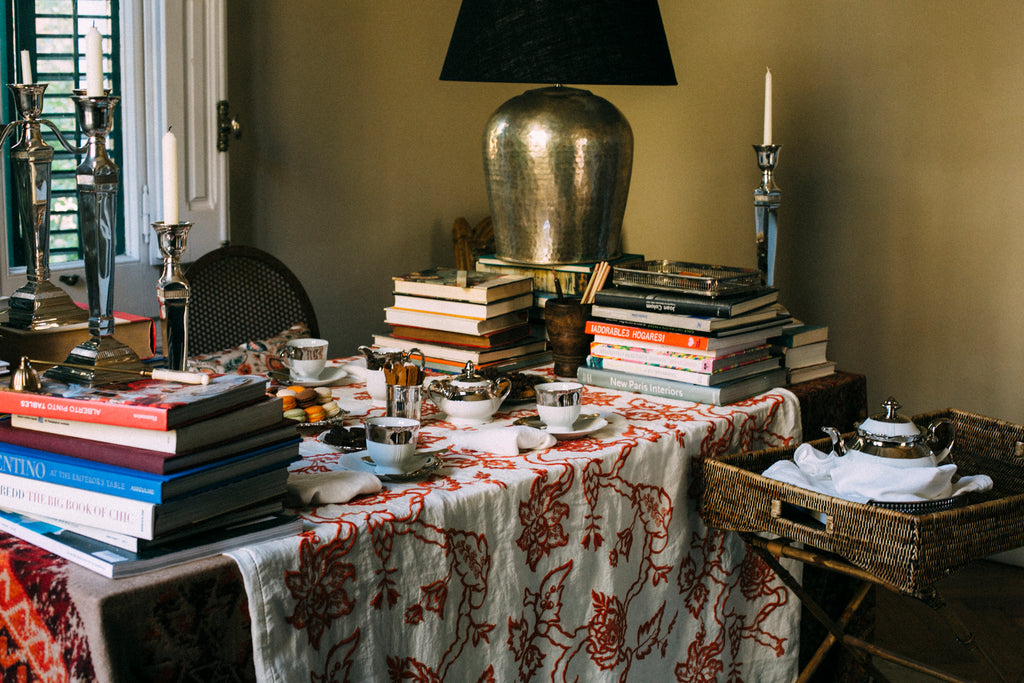
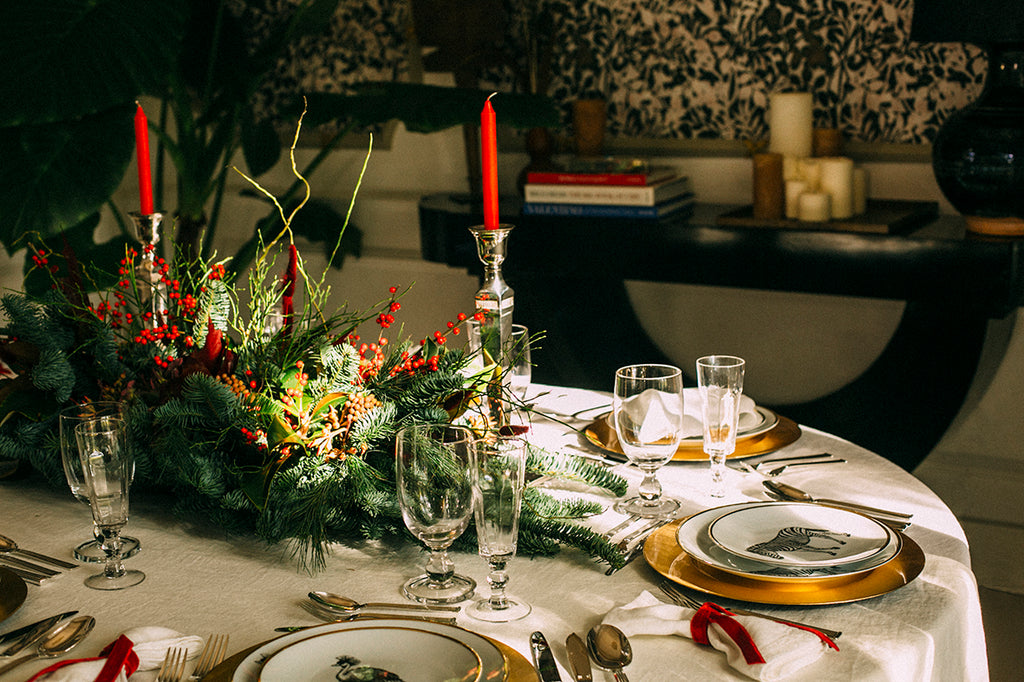
Her grandmother, on the other hand, was a lover of cooking. She had studied at Le Cordon Bleu in Paris and, in her travels with her grandfather, had collected a recipe book with the best food recipes in the world. At first, Manuela never let him look in her little book. When at dinner parties people would ask her for recipes, Manuela's grandmother would just smile and write in almost illegible handwriting on a piece of paper the wrong amounts, so that it would never turn out as well as it did for her. But this vanity did not scare little Manuela away. She tried with all her will to win her grandmother's confidence, and listened attentively to everything she had to say to her. It did not take her long to win her over completely. Not only did her grandmother begin to teach her cooking secrets, but she also began to give her tips on etiquette and table setting. For her, organizing a dinner party was like a show: a percentage was taken up by the talent of the chef and the actors, but another equally important percentage was taken up by the staging. The setting, the tableware and the lighting were almost as important as the dish itself. At a dinner party, all five senses were constantly involved. That is why great care had to be taken in the dress, the make-up, the decoration of the place and, most especially, in the music selected.
When she finished high school, Manuela had a vocational crisis. Should she follow in her parents' footsteps into the diplomatic world? They were sure that was going to be the case. But Manuela felt that if she followed that line of work she would lose the love she felt for looking for memorabilia and telling stories of the world. For a moment she considered studying furniture restoration and perhaps setting up an antique store near her grandparents' place in Barcelona. However, she was still undecided.
Neither diplomacy nor furniture entrepreneurship seemed to satisfy that imperative need. The decision was made: he would study journalism. He would channel his desire to write in the press, and change the world.
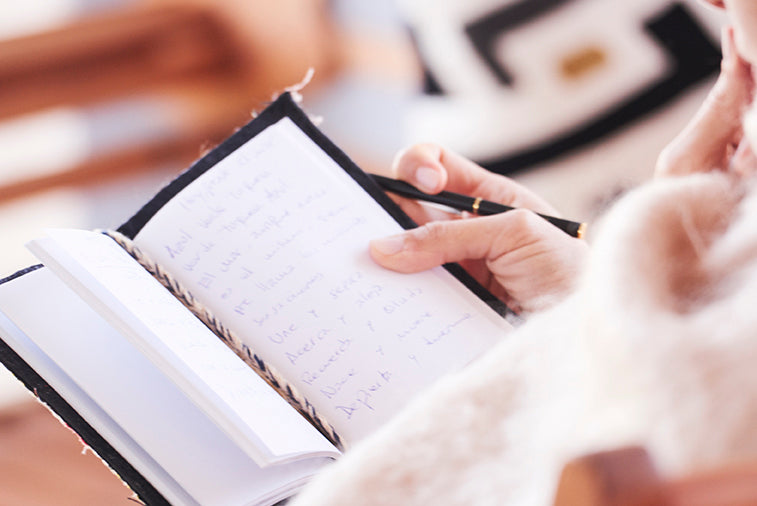
Manuela's graduation coincided with the passing of her grandmother. It was a hard blow for her; something she had a hard time getting over. Her grandmother had left her her treasured recipe book as an inheritance, under the condition that she would use it for something spectacular, as she had always believed that Manuela was destined to do great things. It was in the midst of that pain that Manuela came up with the idea of opening a store. She would inaugurate her unique way of telling stories like her grandfather did: each object would have a past that would delight anyone in conversation. Everything would have a story of its own and would be made in the most honest and responsible way.